whispers in the corridors
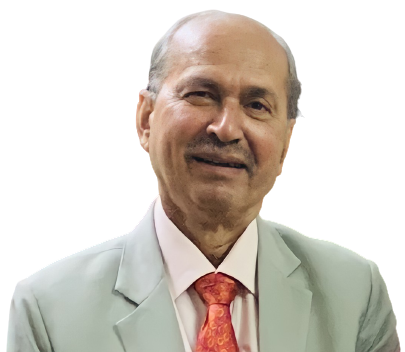







IFoS Atharva Tiwari is a 2023 batch officer of the AGMUT cadre, currently posted in the Union Territory of Jammu & Kashmir. Representing a new generation of officers, he engages with environmental governance through field exposure, technology-enabled administration and sustained community interaction.
Speaking about young officers entering the service and facets of technology, Tiwari notes that India is in a favourable position because of its demographic dividend “A lot of young officers are joining the services, bringing fresh perspectives.” adding that there is a strong emphasis on taking initiatives to the last mile and meaningfully improving the quality of life of the people who matter the most. On the integration of technology, he adds “We are using various tools such as IT-enabled services, artificial intelligence, remote sensing, and development of new digital portals and information systems that are increasingly becoming part of routine administration.”
His posting in the Forest Range of Panchari in Udhampur district provided him early exposure to ground-level realities. Panchari, a small tourist village, presented routine but significant challenges including encroachment issues, illegal transit of wood produce and damage-related cases. Reflecting on these experiences, he observes “You can’t only listen to people at some point, decisions have to be taken, even if they are not always popular.”

Crediting the guidance of his seniors during this phase. he says. “I was fortunate to work under dynamic seniors who were never shy about acknowledging ground realities. Their support gave me the confidence and freedom to work effectively”.
Caring for forest-dependent communities is central to his fieldwork. He has worked closely with nomadic groups who migrate seasonally from higher snow-laden regions to lower altitudes along with their herds. “We issue passes to them. We make sure that the entire migration journey is handled and taken care of ”he says, balancing humanitarian needs with ecological and strategic considerations.
Speaking more broadly about India’s environmental priorities, Tiwari describes India as “an aspirational and ambitious country,” pointing to bold commitments at platforms such as the COP Summit and initiatives like Mission LiFE. He notes that the service is steadily taking steps in this direction, referring to pilot initiatives in Jammu and Kashmir such as Aadhaar-like identification for trees and eco-restoration projects aimed at repairing environmental damage. Addressing perceptions about the service, he says the forest department is not anti-development but works to ensure that development remains sustainable.
Community engagement he believes, is where the service truly excels. Based on his field visits, he has observed that forest officers are often welcomed rather than feared, with communities actively supporting officials.“Currently in Srinagar, I've seen people who extend their arm to forest officers whenever a forest fire takes place”
Looking ahead, he says he is interested in climate-related work, especially issues like air quality and increasing India’s green cover to at least 33 percent and hopefully beyond.
Send Feedback
- World Bank seeks External Affairs Officer for Libya
- World Bank seeks Sr Digital Specialist for Philippines
- IDAS officer Ms Reena Tandon transferred to PCDA (AF), Dehradun
- CVC to fill Chief Tec Examiner (Store Proc & Inventory Control) post
- MoEF&CC seeks Research Associate
- RITES Limited seeks two GGM-Civil, Gurugram
- DFCCIL seeks GM-Law for Corporate office, NOIDA
- HRIDC invites applications for GM -Elec post
- FSIB invites applications for DMD, NABARD
- Whisper about Manipur DGP
- Speculations about for IAS/IPS rotations in NE states
- Nine IIS officers promoted to JAG
- IIM Jammu activities
- Rajamurugan promoted to Above Super Time Scale
- Non-traditional entry trends for southern state services
- Arjun Kumar Singh in race for Director (Pers) NMDC
- Anshuman Gupta in race for Director (Pers) NMDC
- Pawan Kumar in race for Director (Pers) NMDC
- Krishna Kumar Thakur in race for Director (Pers) NMDC
- Search for successor to Madhavarao as CMD, BEL begins
- Why interviews of candidates for CMD, WCL got delayed?
- Speculations about post-December reshuffles in Southern States
- Trend of leveraging retired officers for advisory roles in Kerala
- ECI requisitioned officers for Expenditure Observers
- Speculations about Tamil Nadu IPS officers
- Know ex-bureaucrats & technocrats involved with TVK's all round negotiation in TN
- Will Odisha Chief Secretary get another extension ?
- Will Rao be new DGP of Gujarat ?