whispers in the corridors
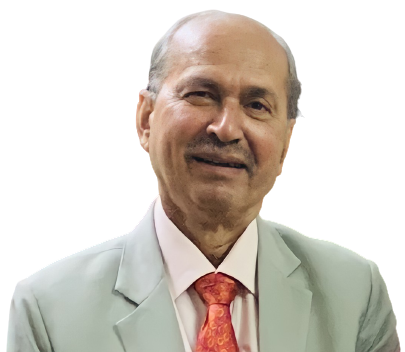








THE PSU RULE THAT QUIETLY FREEZES TALENT
After 31 years at Indian Oil Corporation, I discovered a rule many PSU employees confront only at exit:
Resign — and post-retirement medical benefits end entirely.
Retire normally or take VRS — and they continue for life.
Same employee. Same service. Different treatment based only on mode of exit.
This structure exists across several Maharatna and Navratna PSUs. It belongs to an era of lifetime employment, when leaving a PSU was viewed as disloyalty. That world no longer exists.
Today’s professionals move between government, PSU and private sector roles through their careers. But PSU benefit structures still discourage mobility.
The unintended consequences are significant:
• Senior employees delay exits even when growth has plateaued.
• Younger talent finds promotion pipelines blocked.
• Employees become risk-averse and reluctant to challenge poor decisions.
• Weak management survives because exit costs are too high.
• Institutions lose long-term goodwill from experienced alumni.
A simple reform can change this:
Link post-retirement medical eligibility to years of service, not mode of exit.
Employees who have served decades should not lose all medical security merely because they resigned instead of superannuating.
The fiscal impact would be modest if actuarially planned. The institutional gains — better mobility, healthier leadership renewal, and stronger employer credibility — would be far larger.
PSUs spend heavily on leadership programmes and employer branding. Yet one outdated rule quietly undermines both.
The wall around the PSU exit door may be invisible, but it is costing institutions some of their best people.
— Pradeep Chhabra
Just merging demerging
Nowadays politics have become a joke. Nothing about development just merging demerging for their own development
Shweta
Send Feedback